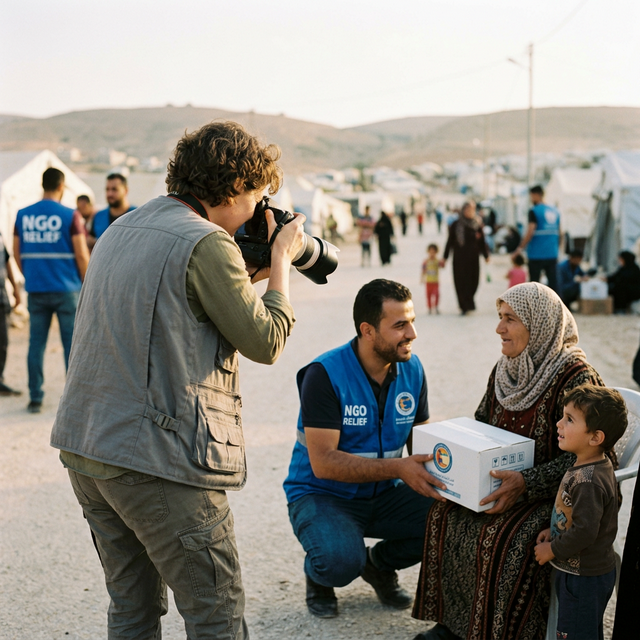
Ethical Guidelines for NGO Field Photography and Relief Distribution
Visual content is the heartbeat of NGO communication. High-quality field shoots and documentaries are proven to significantly increase donation rates by providing transparent proof of impact. However, the pursuit of compelling imagery must never compromise the dignity, privacy, and safety of the beneficiaries.
When NGOs document relief distributions—whether in local disaster zones or international aid operations—strict ethical guidelines must be applied.
1. Informed Consent is Non-Negotiable
The cornerstone of ethical field photography is getting explicit, informed consent. Beneficiaries must understand:
- Why their photo is being taken.
- Where and how it will be used (e.g., social media, print ads, annual reports).
- That receiving aid is not conditional on their agreement to be photographed.
If you are photographing children, you must obtain consent from their parents or legal guardians.
2. Capture Resilience, Not Despair
The "poverty porn" approach—focusing exclusively on extreme suffering to guilt people into donating—is an outdated and unethical practice. While it is important to communicate the severity of a crisis, visual narratives should emphasize the resilience, strength, and agency of the individuals rather than defining them solely by their trauma.
3. Protect Identities in Vulnerable Situations
In certain contexts, such as conflict zones, human trafficking centers, or refugee camps, revealing a person's identity can put them at serious risk.
- Avoid showing faces when documenting highly sensitive situations.
- Focus on details: hands receiving aid, silhouettes, or contextual environment shots.
- Alter names in the accompanying stories to ensure complete anonymity.
4. Accurate Contextualization
Imagery should never be manipulated to misrepresent a situation. This includes digitally altering photos to make a situation look worse than it is, or using archival photos and presenting them as current events. Transparency builds long-term trust with donors, and accurate representation is a core component of that trust.
5. Cultural Sensitivity
Photographers and videographers must be briefed on the local cultural norms before entering the field. Dress codes, religious practices, and social taboos all play a role in how a camera is perceived. Respecting the local culture not only ensures ethical documentation but also builds a stronger rapport with the community, resulting in far more authentic and powerful storytelling.
Why Professional Visual Production Matters
Producing ethical, documentary-style field content requires experienced professionals who understand both the technical aspects of filmmaking and the delicate nuances of humanitarian work. A high-quality visual archive not only fuels successful fundraising campaigns but elevates the entire institutional image of the NGO.
Looking for a professional visual production team for your next field operation? Echo Lab provides expert, ethically-driven field shoot and documentary services worldwide.