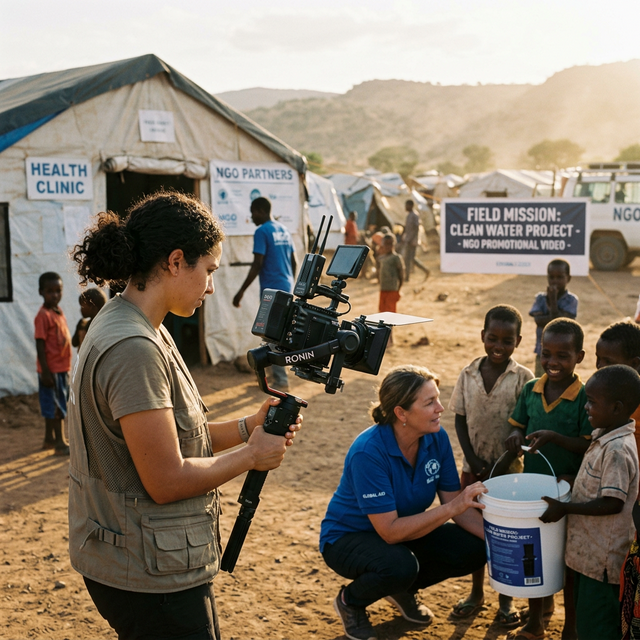
How to Shoot an Impactful NGO Promotional Video: Tips and Tricks
In the age of scrolling, a powerful video is the most direct way to capture a donor's attention. For Non-Governmental Organizations (NGOs), a promotional video is not just a marketing asset; it is a critical bridge connecting the reality of the field to the hearts of supporters worldwide.
Shooting a video that feels authentic, ethical, and visually stunning requires more than just pointing a camera. Here are the top tips and tricks for producing an impactful NGO promotional video.
1. Plan for Authentic Storytelling, Not a Matrix Script
The biggest mistake NGOs make in video production is over-scripting the people they are helping.
- Conduct Conversational Interviews: Instead of handing a script to a beneficiary or field worker, have a natural conversation centered around specific topics. Run the camera continuously so you capture candid emotions and organic reactions.
- Focus on the Arc: The video should establish the problem quickly (first 10 seconds), show the intervention, and end on an uplifting note of resilience and hope.
2. Master the Basics of Cinematic Lighting
You don't need a Hollywood lighting truck in the middle of a refugee camp or disaster zone. You just need to know how to use natural light to your advantage.
- Golden Hour: Whenever possible, shoot your B-roll (supplementary footage) and outdoor interviews during the hour after sunrise or the hour before sunset. This creates a warm, cinematic, and professional look.
- Positioning: Ensure the main light source (like a window or the sun) is lighting your subject's face slightly from an angle. Never shoot a subject standing directly in front of a bright window, or they will become a dark silhouette.
3. Prioritize Crystal-Clear Audio
Viewers will forgive slightly shaky or grainy video footage, but they will immediately click away if the audio is bad. A heartfelt story is ruined if the viewer cannot hear what the person is saying over the wind.
- Use Lavalier Mics: Always equip your interview subjects with a small, clip-on lapel (lavalier) microphone. This isolates their voice from the noisy environment common in field operations.
- Record Room Tone: Always record 30 seconds of "silence" in any environment. The editor will use this ambient noise to smooth out cuts in the final edit.
4. Capture "Show, Don't Tell" B-Roll
Interview footage alone is boring. B-roll is the visual evidence of the claims made during the interview.
- If your field director talks about distributing food, you need 5 different angles of the food distribution process: close-ups of hands holding rations, wide shots of the crowd, and tracking shots of the trucks arriving.
- Vary Your Shots: Follow the rule of Wide, Medium, Tight. Shoot the entire scene (Wide), shoot the subject engaging in an action (Medium), and then get a close-up of an emotional detail like a face or hands (Tight).
5. End with a Clear, Singular Call to Action
After taking the viewer on an emotional journey, you must tell them exactly what to do next. Do you want them to sign a petition, share the video, or make a $10 donation?
- Keep the Call to Action (CTA) on screen for at least 5-7 seconds at the very end of the video. Use large, legible text and include your website URL.
Are you looking to elevate your organization's visual presence? Echo Lab provides professional, documentary-grade field production and video editing services specifically tailored for NGOs. Reach out to our creative team today.