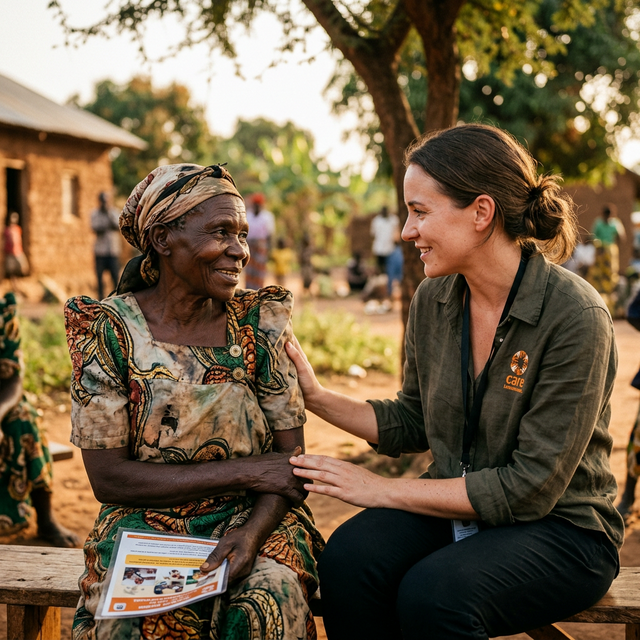
How to Mobilize Donors Through Purposeful Storytelling
Statistics and data prove that an NGO is doing important work. But data alone does not inspire action—emotion does. Humans are biologically hardwired to respond to narratives. A compelling story that focuses on a single individual or a community’s journey can be the most powerful tool in your fundraising arsenal.
However, modern NGO storytelling must be ethical, authentic, and respectful. Here is how your organization can master the art of storytelling to mobilize donors effectively.
1. Focus on the "One" Over the "Many"
The concept of "compassion fade" dictates that people are more likely to donate to help one identifiable person than to help millions of anonymous people.
- Instead of saying, "Our charity helps 10,000 children get access to clean water," introduce the donor to one child.
- Tell the story of how that specific child's daily life was transformed by a newly built well. Once the emotional connection is established with the individual, you can zoom out to show the broader impact.
2. Make the Donor the Hero of the Story
Organizations often make the mistake of positioning themselves as the sole hero. While your staff and volunteers do incredible work, your donors need to feel essential to the mission.
- Shift your language from "Look what we did" to "Look what you made possible."
- Frame the narrative as a partnership. The NGO is simply the vehicle that allows the donor to change the world.
3. Emphasize Resilience, Not Just Hardship
Historically, charities often relied on highlighting intense suffering to guilt people into giving. This approach, widely criticized as "poverty porn," is unethical and ultimately leads to donor fatigue.
- Instead of defining people by their trauma, frame them as active protagonists in their own lives.
- Highlight their resilience, strength, and hope. The story should be about partnering with them to clear an obstacle, rather than stepping in as a savior.
4. Use Multi-Sensory Details
A good story transports the reader to the field. Use descriptive language that appeals to the senses.
- Instead of writing, "The school was in poor condition," try: "Wind whistled through the cracked window panes, and the worn wooden desks rattled as the children took their seats."
- Combine these vivid written descriptions with high-quality, authentic field photography or video to create an immersive experience.
5. Implement a Clear "Before, During, and After" Arch
Every compelling story needs a structure and conflict resolution.
- Before (The Challenge): Detail the specific problem the individual was facing.
- During (The Intervention): Explain how the donor's support intervened. What specific action was taken?
- After (The Impact): Show the tangible result. How is the person’s life better now?
Finally, do not forget the Call to Action (CTA). Conclude the story by reminding the reader that there are others still facing the "Before" stage, and their contribution today can help write another successful "After."
By weaving authentic, respectful storytelling into your emails, social media, and direct mail, you will build a deeply loyal donor base. Need high-quality visual storytelling, documentaries, or copywriting for your next campaign? Echo Lab specializes in bringing NGO narratives to life. Contact us today.