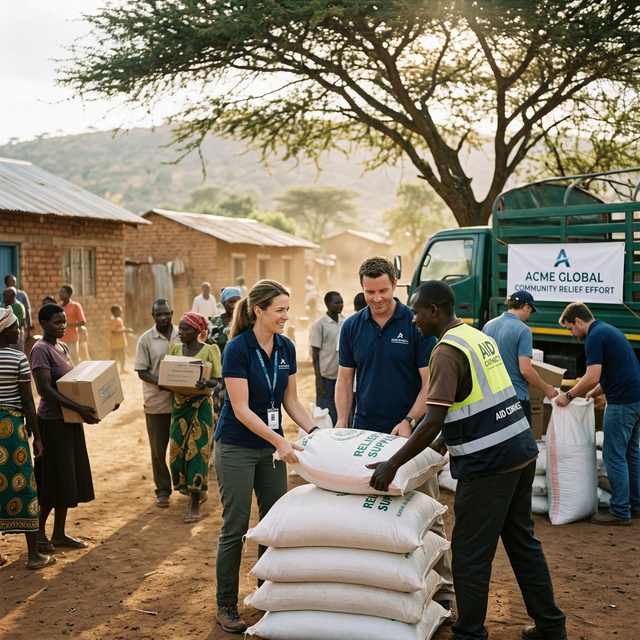
How to Plan Corporate CSR Relief Trips & NGO Partnerships
In recent years, the intersection of business and philanthropy has evolved drastically. Companies are no longer satisfied with simply writing a check at the end of the financial year. Employees and stakeholders demand active, hands-on, and transparent Corporate Social Responsibility (CSR) initiatives.
Organizing field relief trips for corporate teams—whether traveling to open an Afrika su kuyusu organizasyonu (Africa water well project) or assisting in local disaster response zones in Turkey—provides unparalleled team-building and brand-reputation benefits. But how do you plan a safe, impactful, and logistically sound trip?
1. Choosing the Right KPI and NGO Partner
A successful CSR trip begins through a trusted partnership. Corporate firms often rely on a specialized KSS ajansı (CSR agency) or directly partner with a transparent NGO.
- Define the goal: Are you building a school, distributing food packages in a crisis zone, or opening a water well in South Asia or Africa?
- Vet the NGO: Ensure the partner organization has local roots in the target destination, ensuring the aid is actively needed and culturally appropriate.
2. Navigating Complex Logistics and Permissions
International relief travel is drastically different from a standard corporate retreat. You are entering developing regions or crisis zones.
- Visas and Health Protocols: From yellow fever vaccinations required in much of Africa to specialized journalistic or humanitarian visas.
- Transportation: Moving smoothly from international airports to deep rural villages requires extensive local knowledge, off-road vehicles, and sometimes air cargo arrangements.
- Security: Risk assessment is paramount. Securing reliable local guides, translators, and private security protocols ensures the safety of corporate volunteers.
3. Designing the Volunteer Experience
The goal of a CSR field trip is deep emotional engagement. Ensure the employees are actively participating, not just observing.
- Organize hands-on activities that don't take jobs away from local workers but allow the corporate team to connect directly with the beneficiaries.
- Balance hard work with cultural immersion, allowing your team to understand the heritage and resilience of the local community.
4. Professional Visual Documentation
If a tree falls in a forest and no one is there to record it, did it make a sound? For a corporation, documenting the CSR trip professionally is vital for internal culture and external PR.
- Bring a dedicated media team (or utilize an NGO-specialized agency like Echo Lab) to shoot documentary-style footage.
- Avoid treating beneficiaries as props. Focus on the collaboration between the corporate team and the local community.
- Use the content for your annual sustainability reports, LinkedIn updates, and internal company newsletters to maximize the return on social investment.
5. Planning for Long-Term Sustainability
A single trip shouldn't be the end of the project. A sustainable social responsibility project is one that establishes a long-term bond. If you opened a water well, schedule an annual maintenance check funded by the company. If you renovated an orphanage, set up a continuing scholarship fund. Sustainable interventions create a legacy rather than just a moment.
Organize Your Global Impact with Echo Lab
Planning an international CSR operation involves heavy logistical components and high-stakes planning. As a specialized consultancy, Echo Lab bridges the gap between major corporations and global NGOs to deliver flawlessly executed humanitarian relief trips and media production. Reach out to coordinate your next impactful journey!